
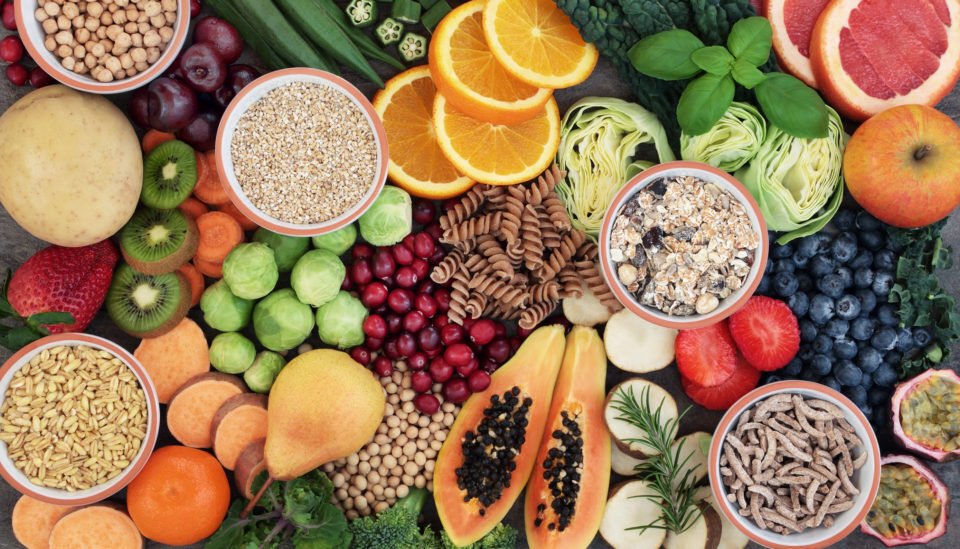

Simple steps to help your gut feel happier
If you’ve ever felt bloated, tired for no clear reason, or just “off,” your gut might be trying to tell you something. Gut health isn’t just about digestion — it affects your energy, mood, skin, and even immunity.
The good news? You don’t need a complicated plan. Small, consistent food choices can make a big difference. Let’s break it down in a simple, practical way.
What Is the Gut Microbiome (In Plain English)?
Your gut is home to trillions of tiny bacteria. Sounds scary, but most of them are actually your friends.
Together, these microbes are called your microbiome. When they’re balanced and well-fed, they help:
- Digest food
- Support your immune system
- Reduce inflammation
- Even influence your mood
When they’re out of balance, that’s when problems can show up.
Signs Your Gut Might Need Some Love
You don’t need fancy tests to notice gut issues. Common signs include:
- Frequent bloating
- Gas or stomach discomfort
- Irregular bowel movements
- Constant sugar cravings
- Feeling tired after meals
If you notice these often, improving your diet is a great place to start.
The Golden Rule: Feed the Good Bacteria
Think of your good gut bacteria like houseplants. If you don’t feed them properly, they struggle.
Your goal is simple: eat more foods that help the good bacteria grow and less of the stuff that harms them.
Let’s look at what that actually means on your plate.
Foods That Support a Healthy Gut
1. Fiber-Rich Foods (Your Gut’s Favorite Fuel)
Fiber is one of the best things you can eat for your microbiome. It acts like food for the good bacteria.
Easy options to add:
- Oats
- Lentils and beans
- Apples
- Bananas (slightly green ones are great)
- Whole grains
- Vegetables like carrots, spinach, and broccoli
Try to add at least one high-fiber food to every meal.
2. Fermented Foods (Natural Probiotics)
These foods contain live beneficial bacteria. They help boost the good microbes already living in your gut.
Simple choices:
- Yogurt with live cultures
- Kefir
- Sauerkraut
- Kimchi
- Pickles (naturally fermented, not vinegar-heavy ones)
Start small. Even a few spoonfuls a day can help.
3. Prebiotic Foods (Food for Your Good Bacteria)
Prebiotics are special fibers that feed your healthy gut bugs.
Great sources include:
- Garlic
- Onions
- Leeks
- Bananas
- Asparagus
- Chicory root
Think of probiotics as the “good bacteria” and prebiotics as their lunch.
4. Polyphenol-Rich Foods (Gut-Friendly Plant Compounds)
These plant compounds help good bacteria thrive.
Easy additions:
- Berries
- Green tea
- Dark chocolate (in moderation)
- Olive oil
- Nuts
A colorful plate usually means a happy gut.
Foods That Can Disrupt Gut Health
You don’t have to eliminate these forever, but keeping them in check helps.
Try to limit:
- Ultra-processed snacks
- Excess sugar
- Sugary drinks
- Too much alcohol
- Highly refined carbs
These can feed harmful bacteria and throw your gut balance off.
A Simple 1-Day Gut-Friendly Meal Example
If you’re wondering how this looks in real life, here’s an easy sample day.
Breakfast:
Oatmeal with yogurt, banana slices, and a few nuts.
Lunch:
Lentil curry with brown rice and a side of mixed vegetables.
Snack:
Apple with a handful of almonds.
Dinner:
Grilled chicken or beans, sautéed vegetables, and a small serving of fermented pickles.
Nothing fancy — just consistent.
Lifestyle Habits That Also Help Your Gut
Food is huge, but daily habits matter too.
Try to:
- Eat slowly and chew well
- Stay hydrated
- Get enough sleep
- Manage stress (your gut really feels it)
- Move your body regularly
Your gut and brain are closely connected, so stress management is more important than most people think.
Final Thoughts
Improving gut health doesn’t require a strict or trendy diet. It’s really about going back to simple, whole foods and being consistent.
Start small. Add one fiber-rich food. Include one fermented food. Drink a bit more water.
Your gut doesn’t need perfection — it just needs better daily support.
If you’d like, I can next create a 7-day gut health meal plan or a foods-to-buy shopping list.